
A Kilimanjaro and Safari Journey
Where the Mountain Meets the Wild
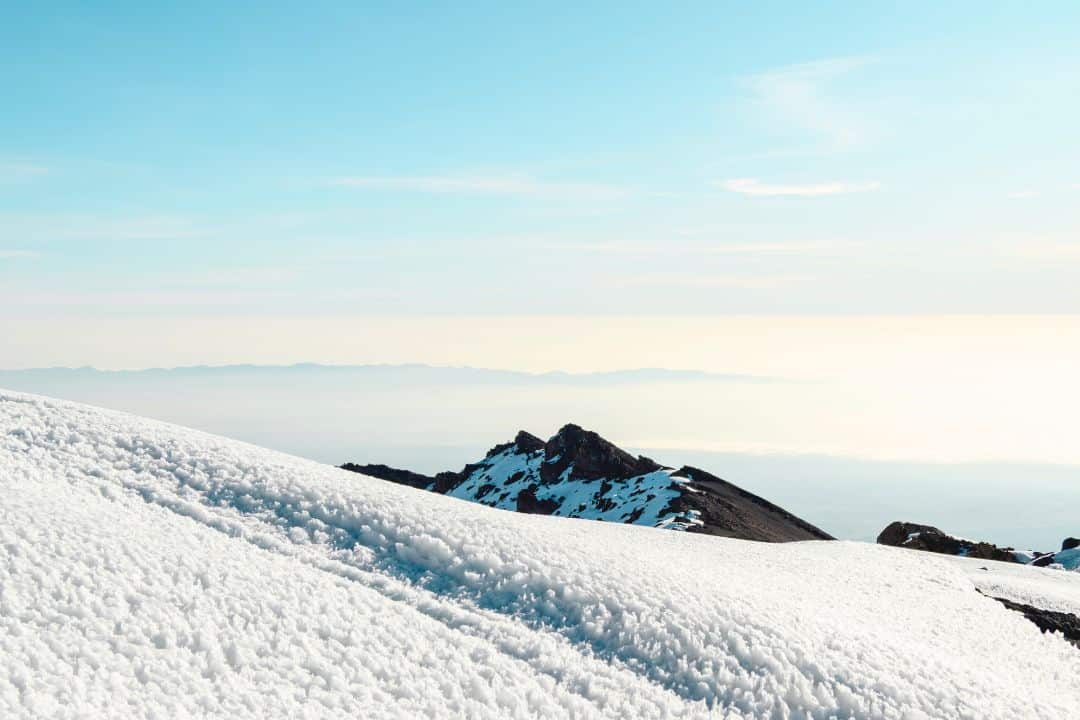
Standing on the summit of Mount Kilimanjaro at sunrise is an experience unlike any other. The air is thin, the glaciers glow in soft morning light, and every step to Uhuru Peak has required focus and determination.
And what if the journey doesn’t need to end when you descend?
Instead of flying home the next day, many climbers choose to add a focused 2-day safari, as a natural extension that shifts the rhythm from physical endurance to quiet observation in the wild.


Guided by Mountain Experts
At World Adventure Tours, Kilimanjaro is a core expertise.
Our certified mountain guides have extensive experience on every major route, with strong focus on acclimatization, safety, and summit success. Oxygen is carried on all climbs, and we follow strict high-altitude protocols.
As members of the Mount Kilimanjaro Porters Society, we are committed to ethical trekking and fair porter treatment.
When you combine your climb and safari with the same team, logistics and timing are handled seamlessly from the summit to the savannah.
We have created a detailed Kilimanjaro Packing List based on years of guiding experience. Review it carefully before your climb to ensure you are fully prepared.
👉 See Kilimanjaro Packing List
Conquer the Summit First
Climbers choose different routes depending on their pace, experience, and preference.
The Machame Route is known for its scenic acclimatization profile.
The Lemosho Route offers remote beauty and strong summit success rates.
The Northern Circuit provides the longest and most gradual ascent.
The Marangu Route includes hut accommodation and a steady climb.
Each route has its own terrain and tempo. All lead to the same reward. Standing at 5,895 meters above sea level at Uhuru Peak, the highest point in Africa.
Reaching the summit requires preparation. Physical training, gradual acclimatization, and proper layering make a significant difference when crossing five climate zones in just a few days.
Before your trek, it helps to understand what to expect on the mountain. Our guide 12 Things You Need to Know Before You Climb Kilimanjaro explains training, acclimatization, gear, and other important preparations.
Into the Wild
After summit night, your body moves from effort into recovery. Muscles are tired, but your mind feels clear. This is exactly why a short safari works so well at this stage.
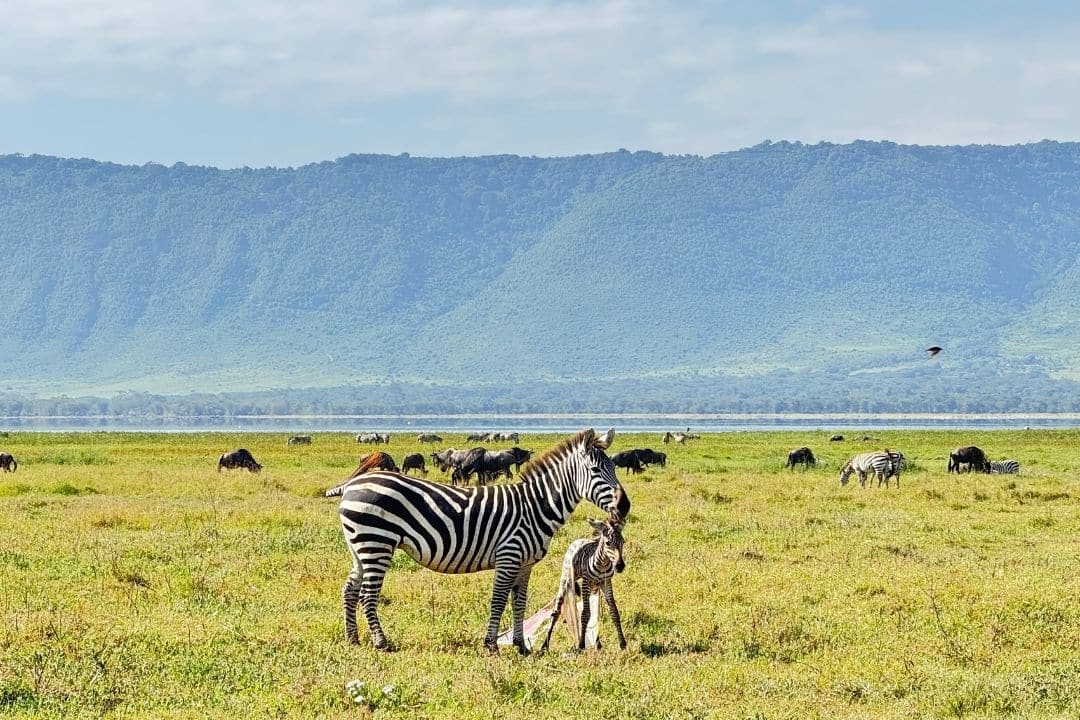
A 2-day safari extension allows you to rest physically while still experiencing Tanzania’s wildlife at close range. Game drives require minimal exertion. You sit back in an open safari vehicle as elephants cross dusty plains and lions rest in tall grass.
A typical extension includes Tarangire National Park and the Ngorongoro Crater. two of northern Tanzania’s most rewarding wildlife areas, where elephants, lions, and other wildlife can often be seen within a relatively short distance from Arusha.
Practical Questions About Adding a Safari
How many extra days do you need?
Most climbers add just 2 days to their Kilimanjaro itinerary. It is a compact extension that fits naturally after your trek without significantly extending your overall travel time.
Is 2 days really enough?
For many travelers, yes. Ngorongoro Crater offers exceptional wildlife concentration within a relatively small area. Elephants, lions, buffalo, and even black rhinos can often be seen in a single game drive. Combined with Tarangire’s wide landscapes and iconic baobab trees, two well-planned days provide a meaningful and balanced safari experience.
How does the transfer work?
After descending the mountain, you return to Moshi for a shower and a proper night’s rest. The following morning, your safari begins. Transfers are arranged in advance, so you do not need to coordinate anything separately.
Do you return to Moshi first?
Yes. Most itineraries include one recovery night in Moshi after the trek before heading into the parks.
Is accommodation included?
Yes. The safari extension includes lodge accommodation, allowing you to transition from mountain camps to comfortable stays without additional planning.
Continue the Journey Beyond the Summit
Reaching Uhuru Peak is the highlight of the climb.
But just a few hours away, some of Tanzania’s most iconic national parks offer another side of the country worth experiencing before heading home 🧡