
How Much Does It Cost to Climb Mount Kilimanjaro?
Kilimanjaro Climb Costs Explained
As the continent’s highest peak at 5,895 meters above sea level, Kilimanjaro is a symbol of human drive and love of adventure. Every year, thousands of trekkers from across the country make their way here to Tanzania in pursuit of that once-in-a-lifetime trek. But before that spontaneous adventure, you’re probably going to wonder the same thing I did: How much does it cost to climb Kilimanjaro?
The actual climbing of Mount Kilimanjaro should be calculated before you even begin planning your journey. It all depends on which path you choose to take, the travel firm you go with, the number of individuals you bring along, and how luxurious you want your trek to be.

The Real Cost of Climbing Mount Kilimanjaro
The most popular trekking companies estimate that the average person would spend between $2,000 and $9,000 to climb Mount Kilimanjaro. The middle ground, taken by more than half of travelers, encompasses just about everything you have to book in advance: park entrance fees, trekking gear, and support services such as guides and lodging – not air travel, visas, or your own personal travel supplies.
Check out the cost breakdown👇
| Type of Package | What it Costs (USD) | What it Offers |
| Budget Climb | $1,800 – $2,500 | Basic camping, minimal amenities |
| Mid-Range Climb | $2,600 – $2,800 | Professional guides, meals, and quality tents, park fees |
| Luxury climb | $4,000 – $6,000 | Personal porter, fresh meals, upgraded tents, private toilets |
What Determines the Cost?
The final cost to climb Kilimanjaro will depend on several factors. Here are the most significant variables:
- Route selection: Kilimanjaro offers seven main routes, each with varying lengths, views, and costs. Some of the longer paths include Lemosho or Northern Circuit, which takes an additional day and additional logistics. Therefore, the price is increased.
- Number of Days: This is another direct factor in determining the price of your trek. But the lowest-cost ascents will not give you an opportunity to properly acclimatize and reach the top of the Uhuru peak. However, most climbers opt for 7 or 8 days.
- Group size: It’s more expensive per person for a private trek. The right size for a Kilimanjaro group is somewhere between 6 and 10, as the price climbs considerably.
- Best Time: The peak seasons for climbing Kilimanjaro, which has to be done with an authorized guide, are January through March and June through October. Rates are slightly elevated because of high demand; off-season rates can be lower, but the weather is variable.
- Operator quality: the most expensive is the most trustworthy. They pay their guides and carriers well, provide better equipment, and meet appropriate safety standards. This explains the higher costs.
What is Included in the Cost?
- Camping fees and park fees
- Accommodation in tents, dining equipment, and sleeping mats
- Guides, cooks, and porters who are paid fairly
- Meals on the mountain and drinking water
- Transport from Moshi or Arusha to the trailhead
- Rescue fees and permit
- Most of the time, the following items are never included in the quote:
- International journey to Tanzania
- $50-100for for a charge
- Travel insurance- it’s required
- Tips to the crew: usually $250– $ 400 per climber.
- Personal trekking gear: boots, sleeping bags, jackets
- Extra hotel nights before/after the climb
These are the so-called hidden costs, which may range from 800 to 1,200 depending on the budget and mode of travel.
Difficulty of the Kilimanjaro Hike: What To Expect
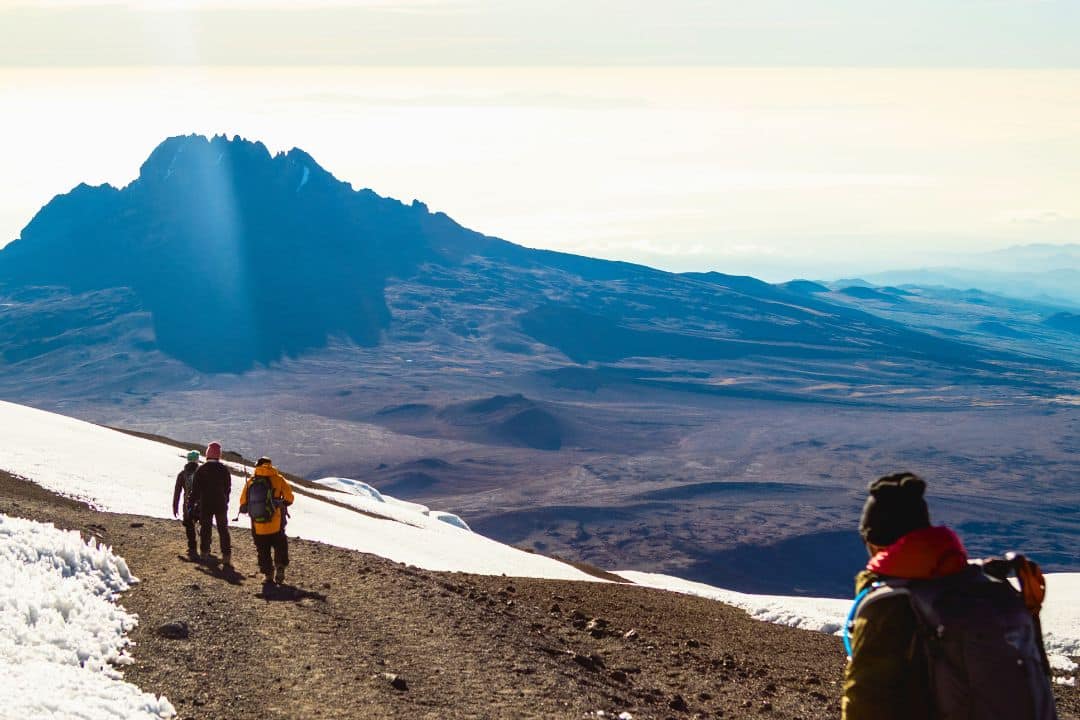
Most commonly, Kilimanjaro is promoted as a challenging yet achievable climb, and the trek is difficult, so you need to be well prepared physically and mentally. In addition, it is not a technical climb, though it is among the world’s highest free-standing mountains. It is not about equipment or mountaineering skills that you require, but merely appearance and disposition.
In conclusion, the Kilimanjaro mountain walk is not a complicated mountaineering journey, but difficult mainly because of the altitude.
Although the primary difficulty is not there, many people feel overwhelmed with a headache or find it difficult to breathe while ascending from lush rainforests to icy glaciers due to the drop in oxygen levels.
For this purpose, a longer route improves the number of tour members, such as Lemosho or the Northern Circuit, guaranteed by the proper acclimatization method. Walking hours should be calculated, as they amount to 5-8 hours. On the other hand, the walking time can go from 12 to 14 hours when the weather is cold. In conclusion, the climb of Kilimanjaro is not technical but demanding due to the high altitude.
Pro Tip: Take part in a minimum of 2 months of pre-climb fitness training. Leg strength, climbing practice, and cardio are all that will make a significant difference in your performance.

Hiking up Kilimanjaro at a Low Cost
If you are thinking about deciding whether you could find a less expensive adventure, the answer is yes. There are many ways. However, climbing Kilimanjaro on a budget is feasible when planned wisely. The innovative ways to economize without loss of safety are the following:
- Choose group departures, cutting by up to 25% in comparison to a private climb
- Rent gear locally in Moshi or Arusha instead of buying expensive equipment
- Book in advance to get financial discounts and better possibilities to choose the route or date
- Travel in the off-peak season, such as April, May, or November, to avoid traffic and take advantage of slightly reduced rates. Expect light rainfall.
- Avoid ultra-cheap operators, which often forget safety essentials or underpay porters $1,700. Such a climb may not be safe enough for you. Spend some time reading customer reviews and credentials.
Additional (often overlooked) Costs
When budgeting for your Kilimanjaro journey, it’s easy to forget that many of the extra costs are already included in your trek package. In addition to the cost of climbing, you’ll need to pay for airfare there and back again, get a visa, purchase insurance suited to the undertaking, receive shots with a visa (mandatory), and for personal safety. Equipment and gear need to be bought or rented, and the sleeping bags need to withstand the mountains’ temperamental weather.
Additionally, tipping the mountain crew, the guide, porters, and cooks is standard and necessary, usually adding $250-$400 to your bill. Furthermore, expect to spend on hotel accommodations before and after the climb. Your favorite snacks, mementos, or optional safaris may all cost several hundred extra dollars.
These factors, which are often overlooked as additional charges, will help you understand how much it will cost to climb Mount Kilimanjaro.
It is Worth Every Dollar!
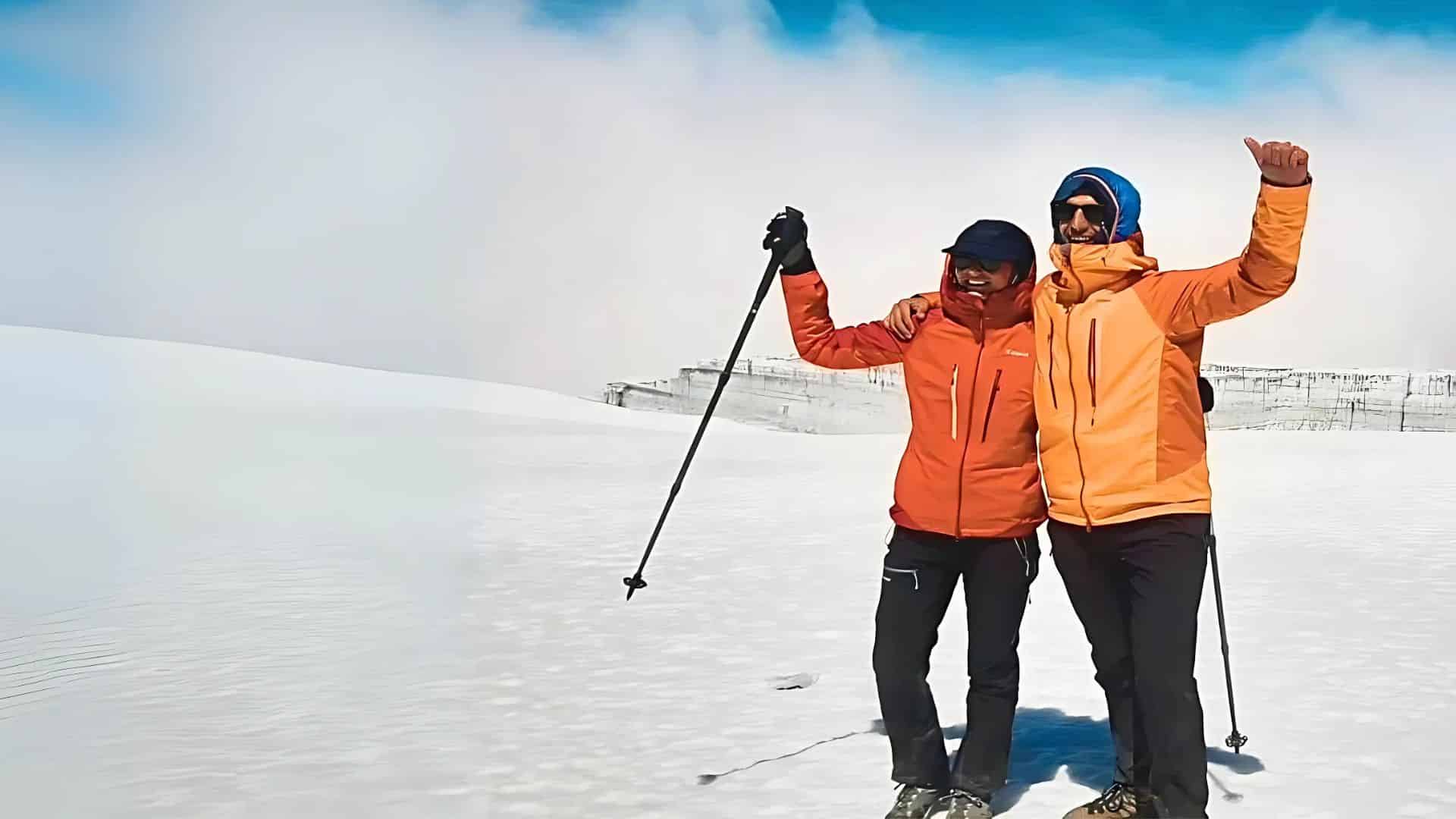
The experience of Climbing Kilimanjaro is not just a trip to take; it is completely unforgettable. It is like an investment that rewards every coin spent with memories and achievements that last for days. Witnessing the sunrise across the clouds and looking out from the top of Africa at Uhuru Peak is so exhilarating, as each step feels like a victory against nature and one’s own limitations.
Furthermore, a substantial proportion of the charge you paid supports the Tanzanian economy by providing workers with fair wages, guiding and portering, and helping maintain Kilimanjaro National Park. When you think about the one-of-a-kind vistas, the high after attaining the top, the emotion that tides you over for the following weeks, and the favorable effect your climb has on the adjacent society, you realize that climbing Kilimanjaro is worth all the money and even more.
The rewards are priceless:
- panoramic sunrise on Uhuru Peak
- a sense of accomplishment
- cultural experiences you will never forget
- professional assistance at high altitude
Climbing Kilimanjaro is not just a value; it’s an experience that will never be forgotten.
Conclusion
In Summary, the average cost to climb Mount Kilimanjaro is around $2,500 – $4,500, excluding flights. The classic Mount Kilimanjaro hike distance ranges from 53 kilometers on the Umbwe Route to 90 kilometers on Kili’s most northern approach. The climbing is hard and gnarly.
If you are willing to take on a Mount Kilimanjaro challenge on a budget, prepare in advance, budget properly, and be physically ready. You will also realize – and agree as you stand on the roof of Africa in Uhuru Peak and watch the clouds below – that every dollar spent on the mountain is worth the hype.