

Africa’s Big Five Animals
Africa’s Big Five Animals – The Icons of the Bush
When you think of Africa’s Big Five animals, you picture endless savanna plains, breathtaking safari drives, and once-in-a-lifetime wildlife encounters. But who, precisely, are the Big Five?
The term was once used to describe the Big Five game animals, which were: the lion, leopard, elephant, buffalo, and rhino, as the most difficult to hunt on foot. These animals now represent conservation, adventure, and the heart of the African wild.
When it comes to Africa’s Big Five, each is a powerful story of grace and survival.
Whether you’re visiting the Tanzanian Serengeti, South Africa’s Kruger National Park, or the Kenyan Maasai Mara, getting a look at each of these five majestic creatures is still one of safari travel’s most coveted accomplishments.
1. Lion – King of the Savannah
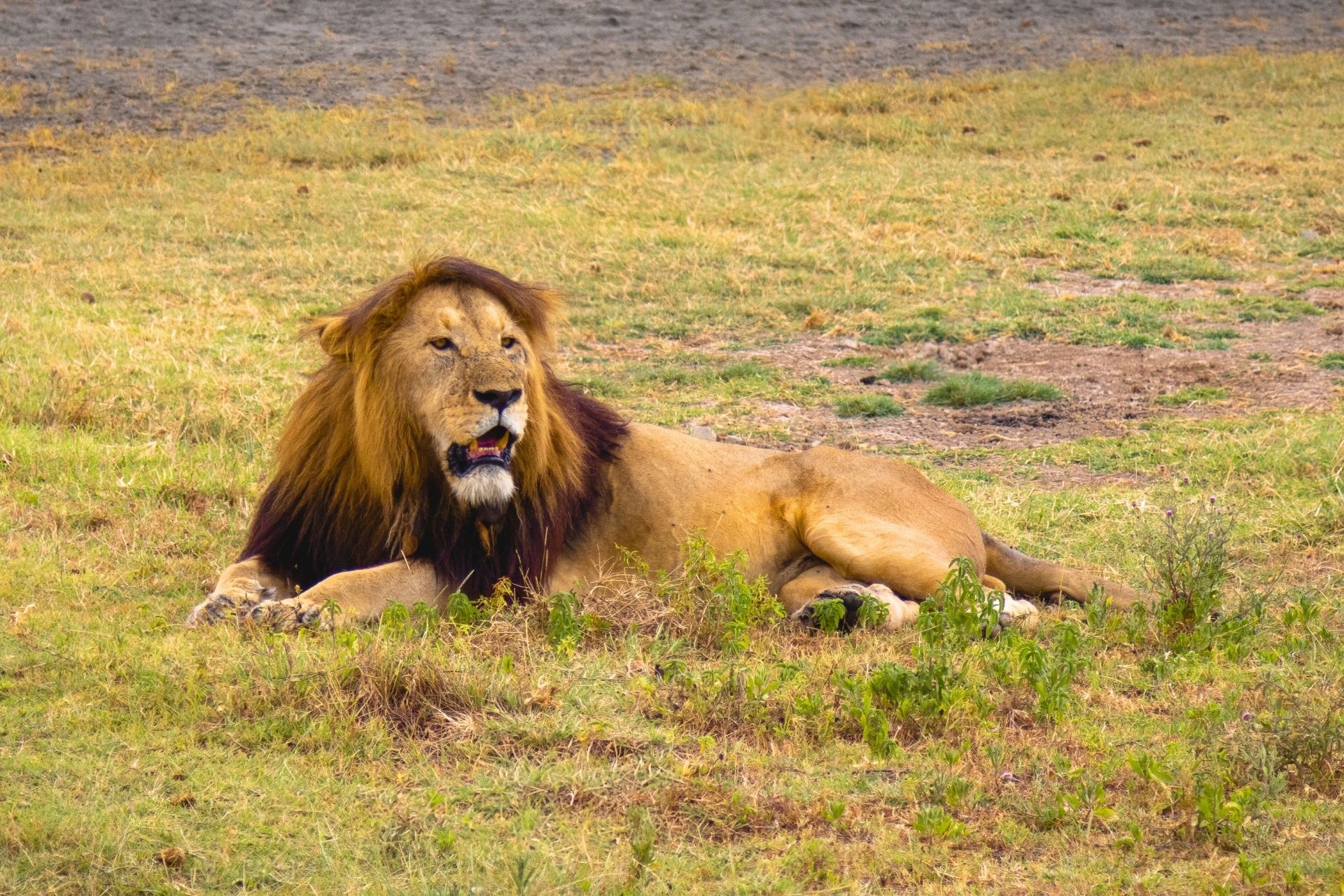
The lion, also known as the” King of Beasts,” is the true king of the African savanna, including the Big Five. With its grand mane and imposing size, the lion is also the only truly big social cat, living in prides of up to 30 individuals.
Lions are in Tanzania’s Serengeti, Kenya’s Maasai Mara, and South Africa’s Kruger Park, each among the greatest of Africa’s Big Five animals in safari destinations. This predator is highly active, making early-morning and late-afternoon game drives the best times to see them.
Lions captivate the visitors with their raw power and unity. Males have the strength to protect the territory and their pride; lionesses have the cunning and coordination to orchestrate the kill. Observing lions in the African bush is a thrilling and dramatic experience, and rightfully the epitome of the Big Five safari spirit.
2. Leopard
Slender, sleek, and mysterious, the leopard is the most elusive member of the Big Five. Whereas lions are sociable and extroverted creatures, leopards are solitary. They use the darkness of night to glide silently through the savannah, effortlessly blending into the surrounding savannahs with their gold-spotted fur.
Leopards are found throughout sub-Saharan Africa, but sightings require time and patience. Sabi Sands, the Serengeti, and Moremi Game Reserve in Botswana are among the best places to see this wandering predator from the banks of the surrounding rivers. Leopards are very strong, capable of dragging prey twice their size up trees, away from scavengers’ reach. Leopards are a sight to see on any safari, the epitome of grace and violence combined.

3. African Elephant
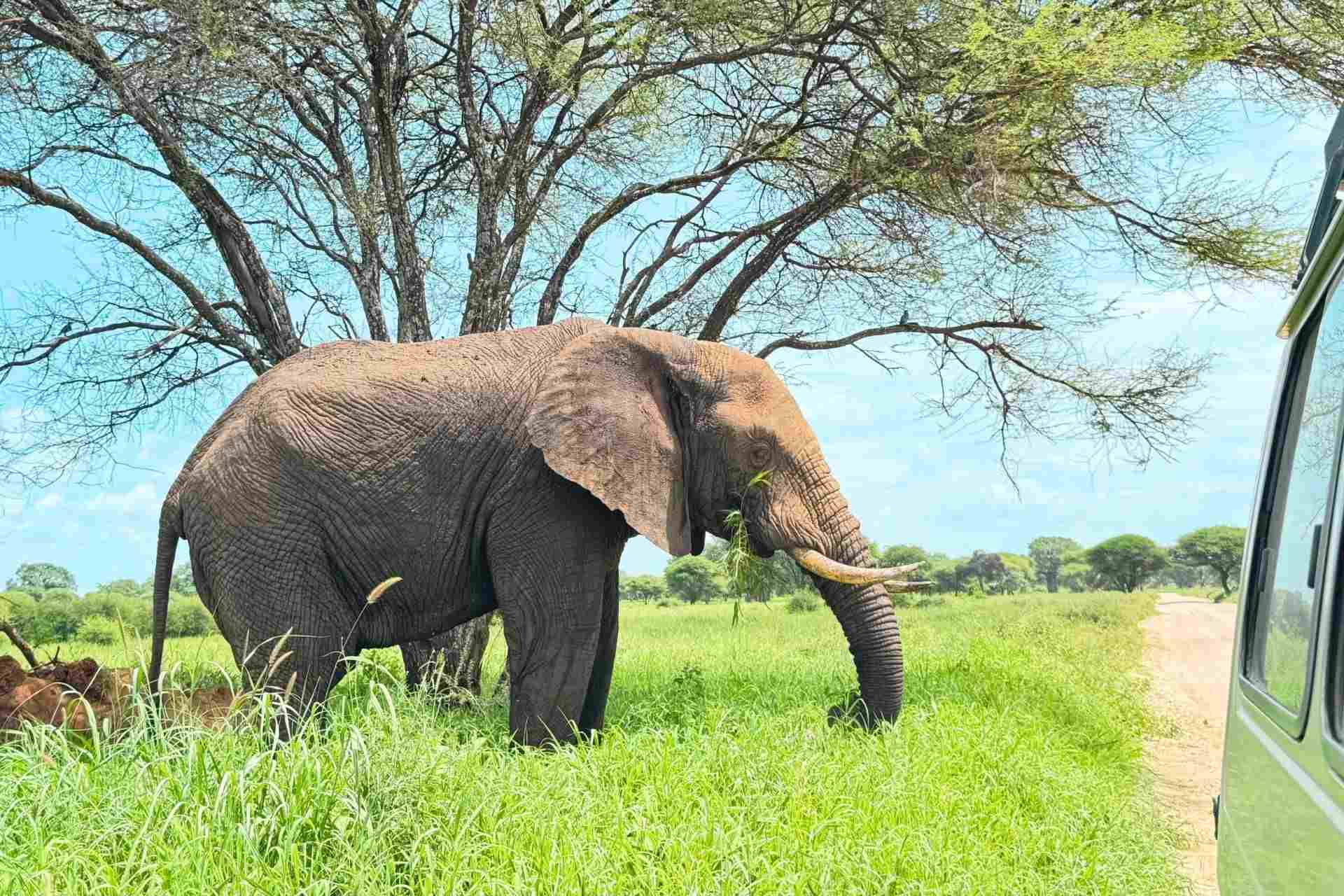
The African elephant is the largest terrestrial mammal on Earth, a powerful symbol of strength and intellect. They stand up to three meters tall, weigh six tons, and move across the African plains in matriarchal families. Elephants are wistfully appealing animals, often seen moving through parks such as Amboseli National Park in Kenya and Chobe National Park in Botswana. Watching this majestic, creative bathing playfully in the sea or dutifully herding their calves through the shrubbery is a sight to remember.
African elephants are viciously hunted for their tusks and suffer significant loss of habitat. Still, sanctuary initiatives across Africa aim to save these iconic species and make them a substantial part of Big Five safaris.
4. Rhinoceros
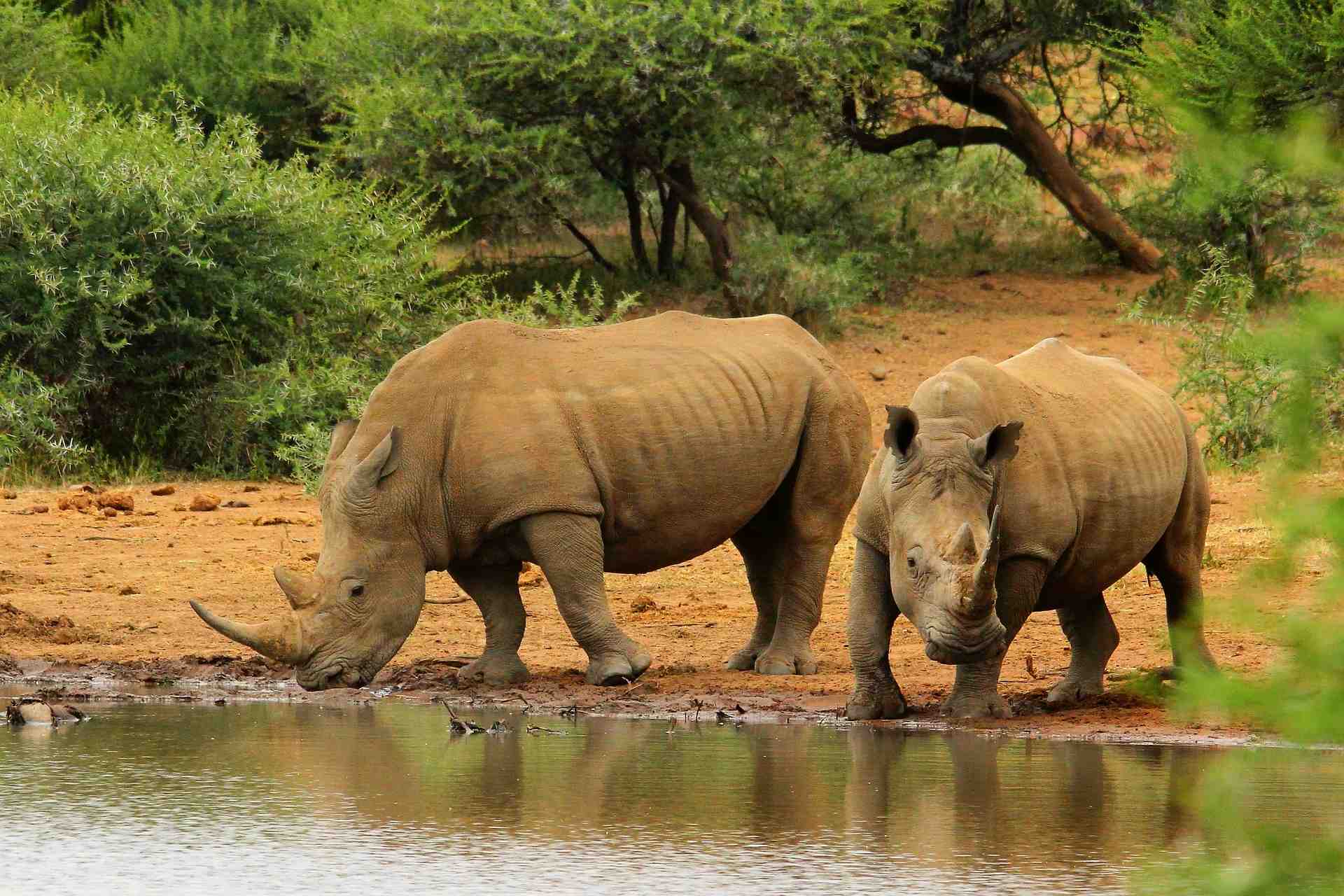
Its prehistoric appearance and fierce horn have made the rhino an embodiment of survival in the African bush. There are two primary species: the black rhino and the white rhino. They are both grey despite their names; the only difference is the size and shape of their mouths.
Rhinos were once common throughout Africa but are now critically endangered due to poaching. Conservation areas, including the Ngorongoro Crater in Tanzania and the Hluhluwe-iMfolozi Park in South Africa, have become crucial measures of their survival.
Meeting a rhino on safari is a rare and very special privilege, it offers an opportunity to reflect on both the beauty and the fragility of nature. Because of their ongoing, intensive fight for their safety, rhinos have become an iconic symbol of wildlife conservation within Africa’s Big Five.
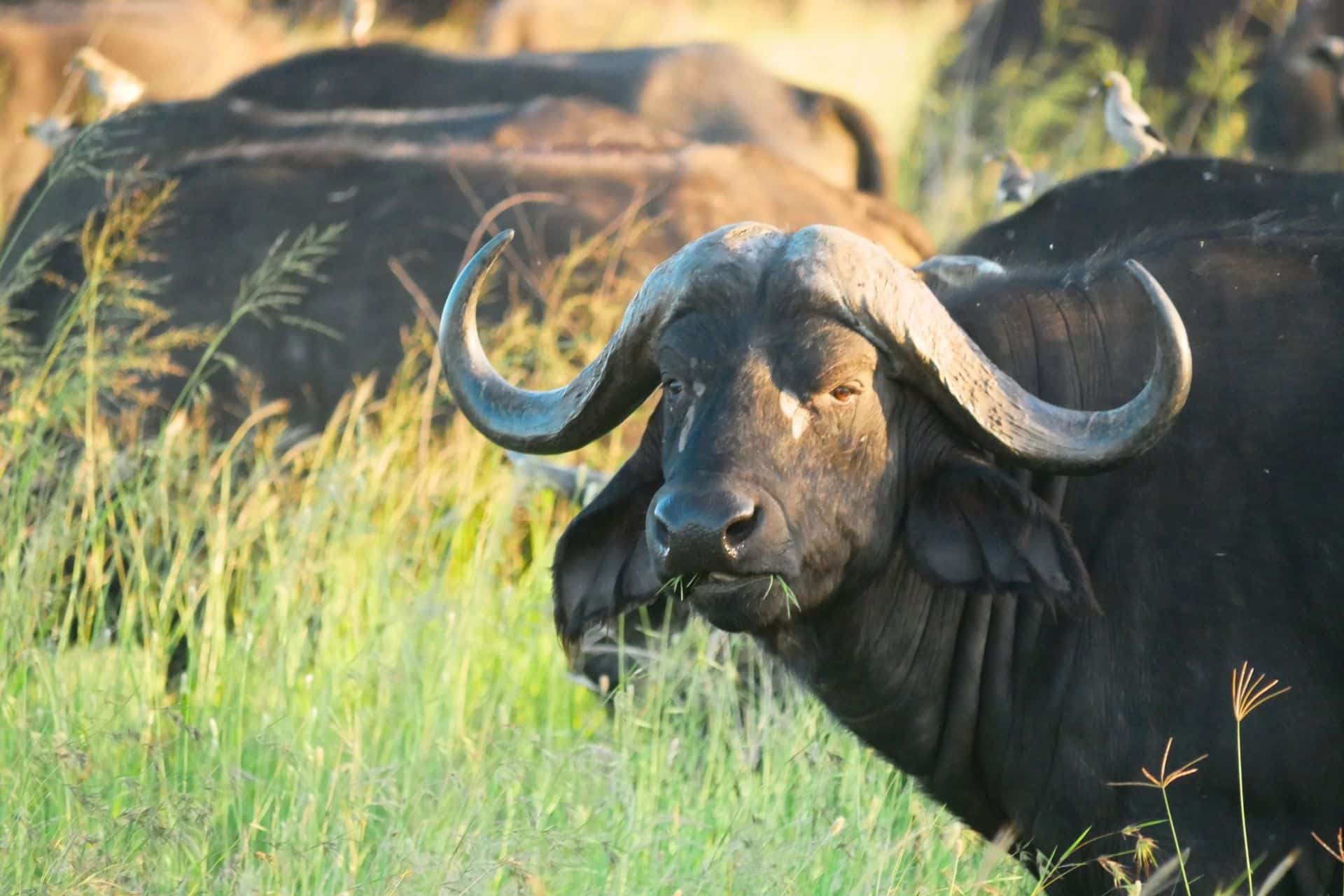
5. African Buffalo
African buffalo are one of the creatures that should never be underestimated. Weighing up to 1,000 kg, African Buffaloes are renowned for their phenomenal strength and unpredictable behavior.
Buffaloes live in herds that can count into the hundreds. They sweep over grasslands in search of water and grazing fields. Despite being gregarious grazers, buffaloes are highly protective of one another and have been observed protecting one another against lions.
With such a strong pack mentality, they are an interesting group of animals to observe.
Frequently Asked Questions (FAQs)
Why are giraffes not among Africa’s Big Five animals?
Despite being considered significant, giraffes are not part of the Big Five because they are neither aggressive nor dangerous. Historically, the big five were the most destructive animals to hunt on foot, and giraffes don’t meet this criterion.
Where can I see all the Big Five?
You can find all five in Serengeti (Tanzania), Maasai Mara (Kenya), and Kruger National Park (South Africa).
Are the Big Five endangered?
Yes, particularly rhinos and some elephant populations. Conservation efforts aim to prevent poaching and habitat loss.
When is the best time to see the African Big Five?
Game drives from June to October are excellent during the dry season, as animals tend to congregate near waterholes.
Final Thoughts
Africa’s Big Five animal safari isn’t only a trip to remember: it’s a voyage into the very heart of Africa’s natural history. From the fierce roar of a lion to the majestic trumpeting of an elephant, every animal’s sound is a step along this remarkable journey into wildness.
Seeing Africa’s Big Five in person is an honor. It evokes awe, wonderment, and a profound connection with the world’s most regal animals.