
Kilimanjaro Climbing Guide – How to Prepare for a Successful Summit
Everything You Need to Know Before Climbing Kilimanjaro
Standing at 5,895 metres (19,341 feet), Mount Kilimanjaro is Africa’s highest mountain and one of the world’s most unforgettable trekking destinations. From lush rainforests to the snow-covered summit of Uhuru Peak, every stage of the climb offers something extraordinary.
But reaching the Roof of Africa takes more than determination. Choosing the right route, preparing your body, understanding the effects of altitude and bringing suitable equipment can make a significant difference to your experience.
At World Adventure Tours we work with experienced local mountain teams to help travellers discover Kilimanjaro with confidence. Whether you’re preparing for your first high-altitude trek or looking for your next great adventure, this Kilimanjaro climbing guide covers the essentials you need to know before setting off.
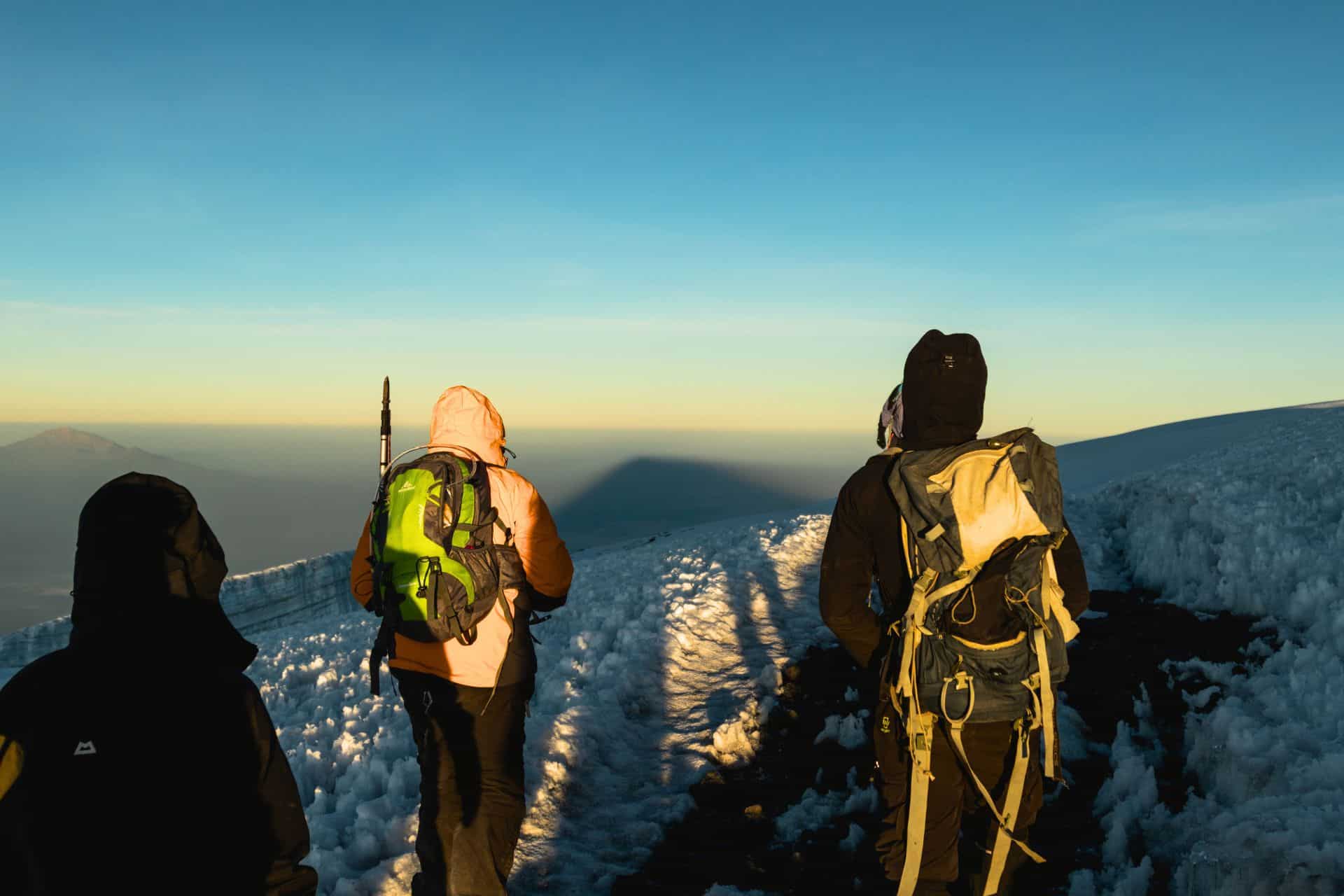


What Makes a Successful Kilimanjaro Climb?
Reaching the summit of Kilimanjaro involves more than physical fitness. Careful planning, appropriate equipment and an understanding of the challenges ahead are equally important.
While every climber’s experience is different, there are four essential factors that can help you prepare for a safe and rewarding adventure.
Choose the Right Climbing Route
Different Kilimanjaro routes offer different levels of difficulty, scenery and time for acclimatization. Choosing an itinerary that matches your fitness, experience and preferences is one of the most important steps when planning your climb. Longer routes generally provide more opportunities to adjust to the altitude.
Prepare Your Body for the Challenge
Climbing Kilimanjaro involves several consecutive days of hiking, often over steep and uneven terrain. Regular walking, cardiovascular exercise and strength training can help build the endurance needed to enjoy the experience and manage the demanding summit ascent.
Pack the Right Equipment
From warm rainforest trails to freezing temperatures near the summit, Kilimanjaro’s changing climate requires careful packing. Suitable clothing layers, comfortable hiking boots and reliable trekking equipment help you stay protected and comfortable throughout your adventure.
Understand Altitude and Acclimatization
Altitude sickness is one of the greatest challenges on Kilimanjaro, regardless of physical fitness. Choosing a route with sufficient acclimatization time, maintaining a steady pace and recognising early symptoms are essential for a safer ascent. Always follow your mountain guide’s instructions.
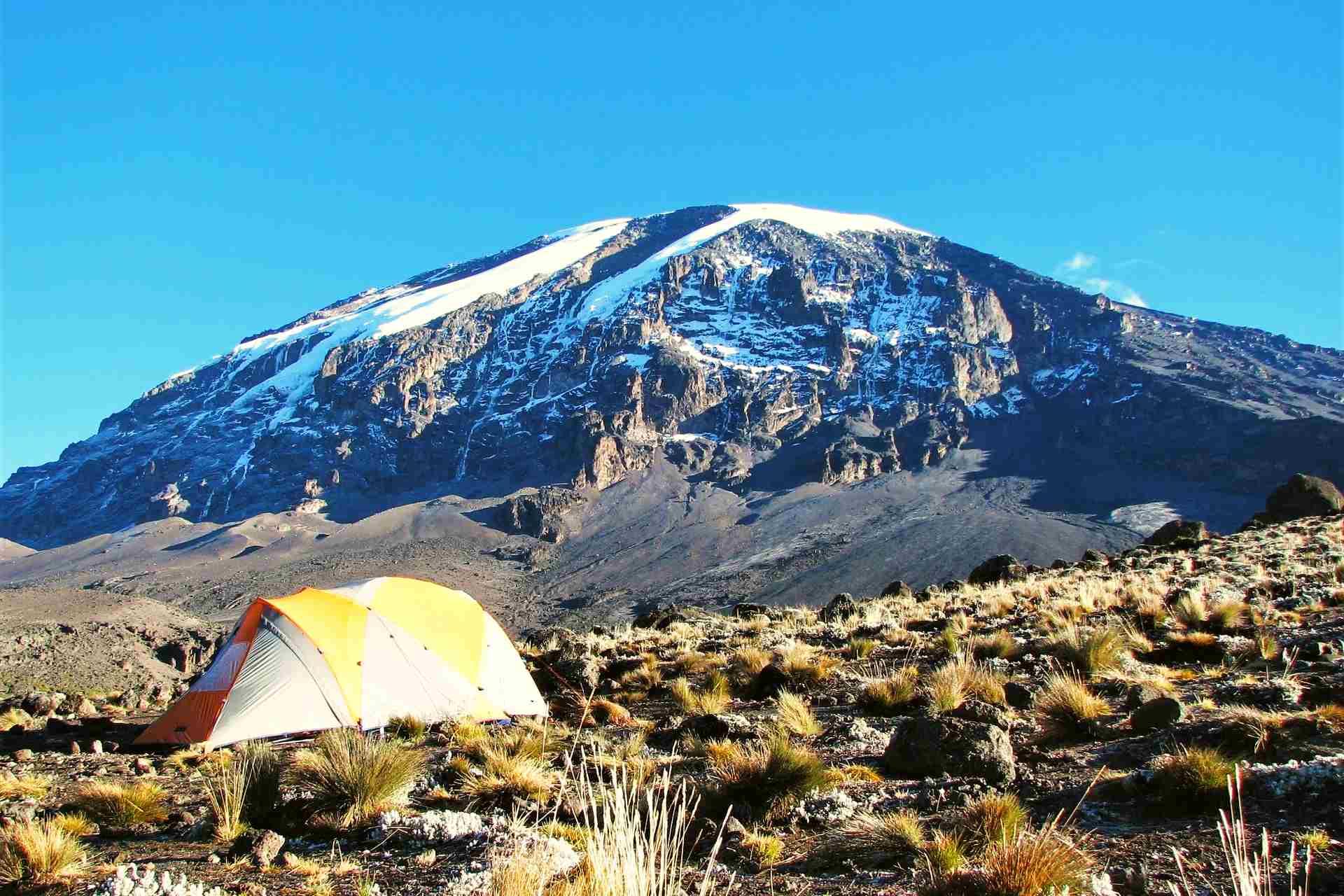

Choosing the Best Kilimanjaro Climbing Route
There is no single Kilimanjaro route that is perfect for everyone. The best choice depends on your experience, physical fitness, available time and the type of adventure you’re looking for.
Some routes offer longer, quieter journeys with excellent opportunities for acclimatization, while others provide steeper trails, dramatic scenery or the comfort of mountain huts.
Understanding what makes each route unique can help you find the right path towards Uhuru Peak.
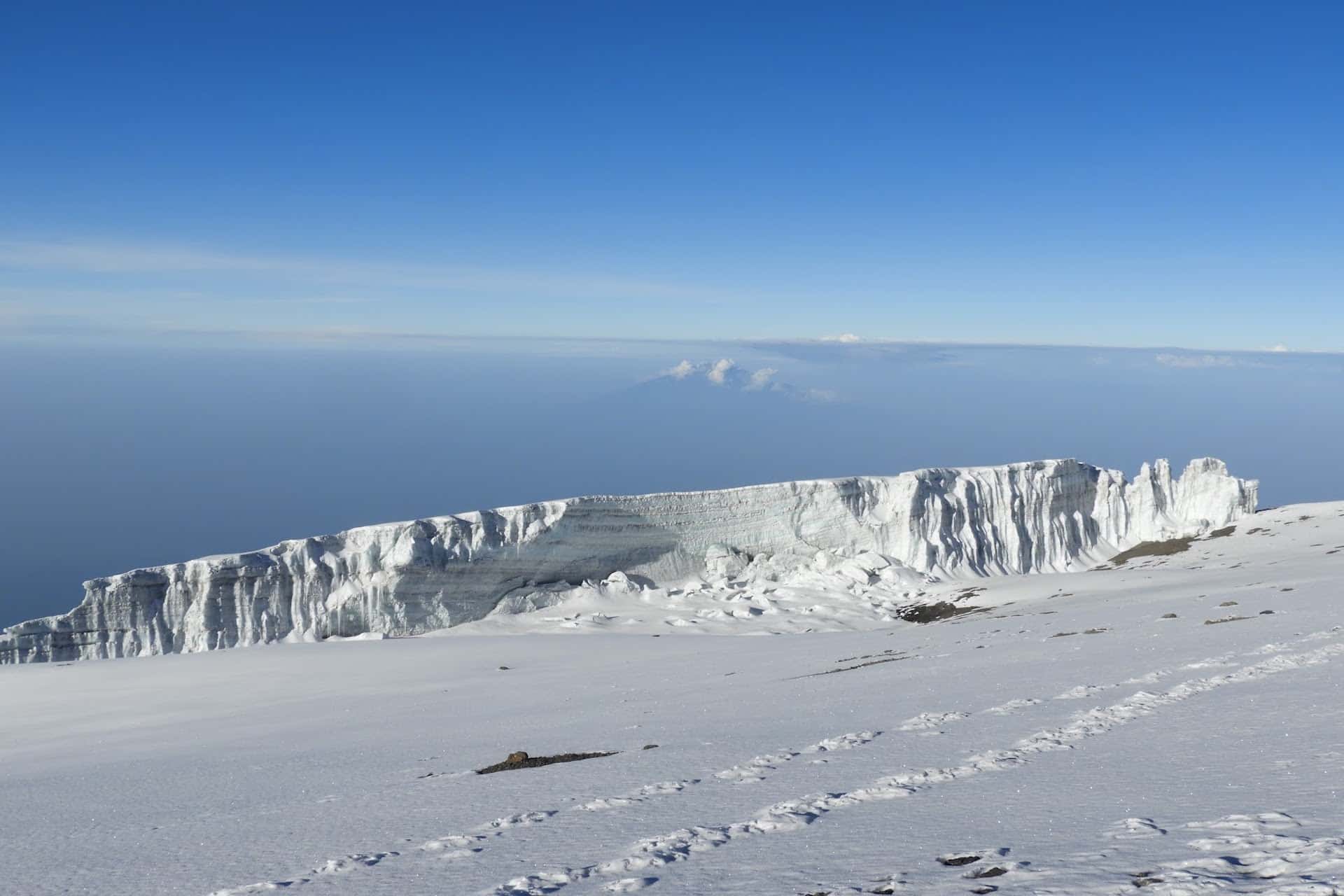
Lemosho Route – Scenic Landscapes and Excellent Acclimatization
The Lemosho Route is one of Kilimanjaro’s most beautiful trekking routes, offering an unforgettable journey through diverse landscapes.
Starting on the mountain’s western slopes, the trail leads through rainforest before opening onto the spectacular Shira Plateau. The varied scenery and relatively gradual ascent make it an appealing option for both first-time climbers and experienced hikers.
With longer itineraries allowing additional time for acclimatization, Lemosho is often recommended for travellers looking for a rewarding balance between adventure, scenery and summit preparation.
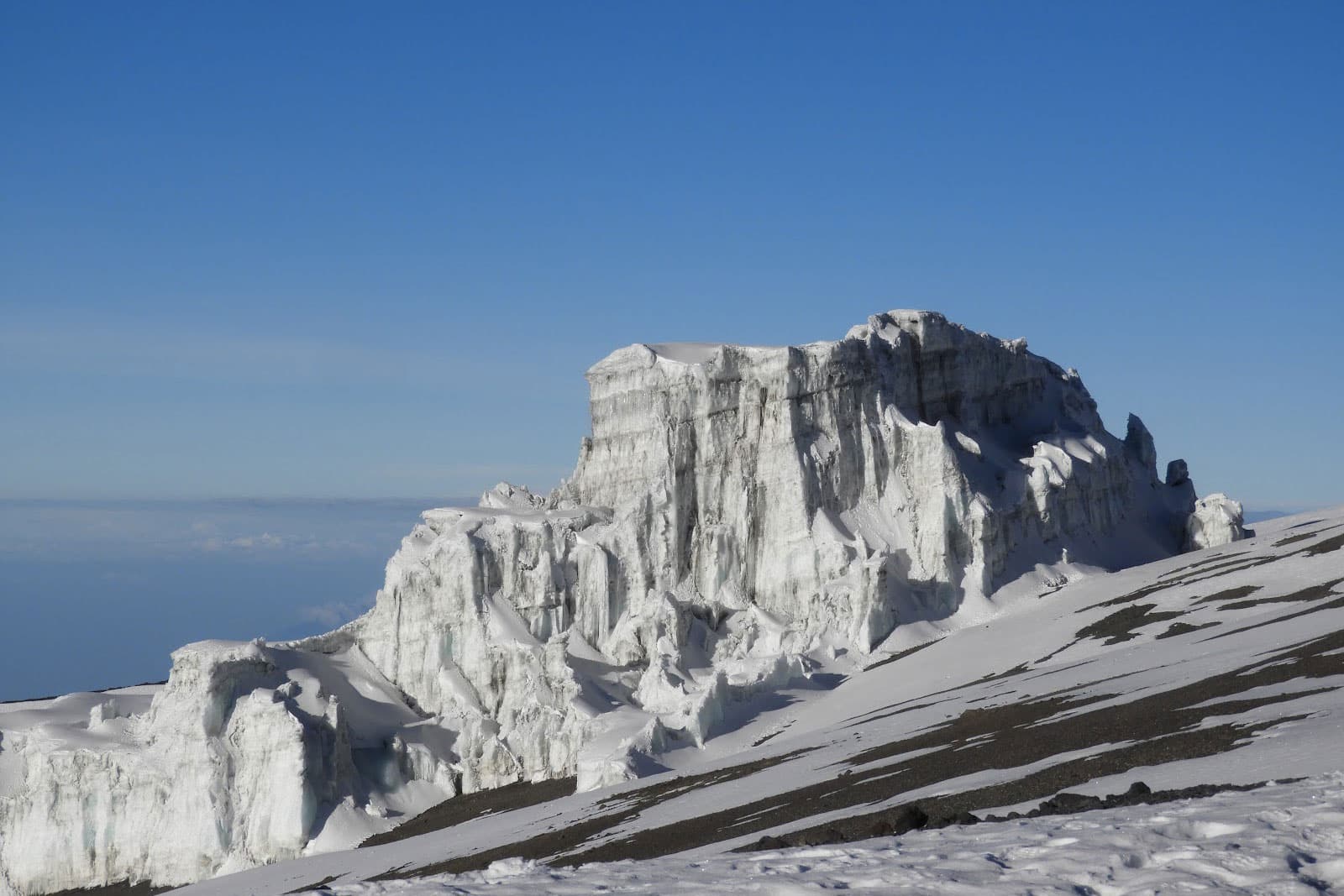
Machame Route – A Rewarding Adventure for Active Hikers
Known as the “Whiskey Route”, Machame is one of Kilimanjaro’s most popular trails, particularly among adventurous travellers.
The route takes you through lush forests, open moorland and dramatic mountain landscapes, including the famous Barranco Wall. Its varied terrain and steeper sections make it physically demanding, but the changing scenery provides an unforgettable trekking experience.
Machame is an excellent choice for hikers who enjoy a challenge and want to experience some of Kilimanjaro’s most iconic landscapes. Choosing a longer itinerary can also provide valuable acclimatization time.

Northern Circuit – A Longer and Quieter Kilimanjaro Experience
For travellers who want to spend more time exploring the mountain, the Northern Circuit offers one of Kilimanjaro’s most rewarding adventures.
This longer route follows the mountain’s less-visited northern slopes, providing impressive panoramic views and a more peaceful trekking experience away from the busiest trails.
The extended itinerary allows additional time for acclimatization, making it particularly attractive to climbers who prefer a gradual approach to the summit and want to experience more of Kilimanjaro’s extraordinary landscapes.
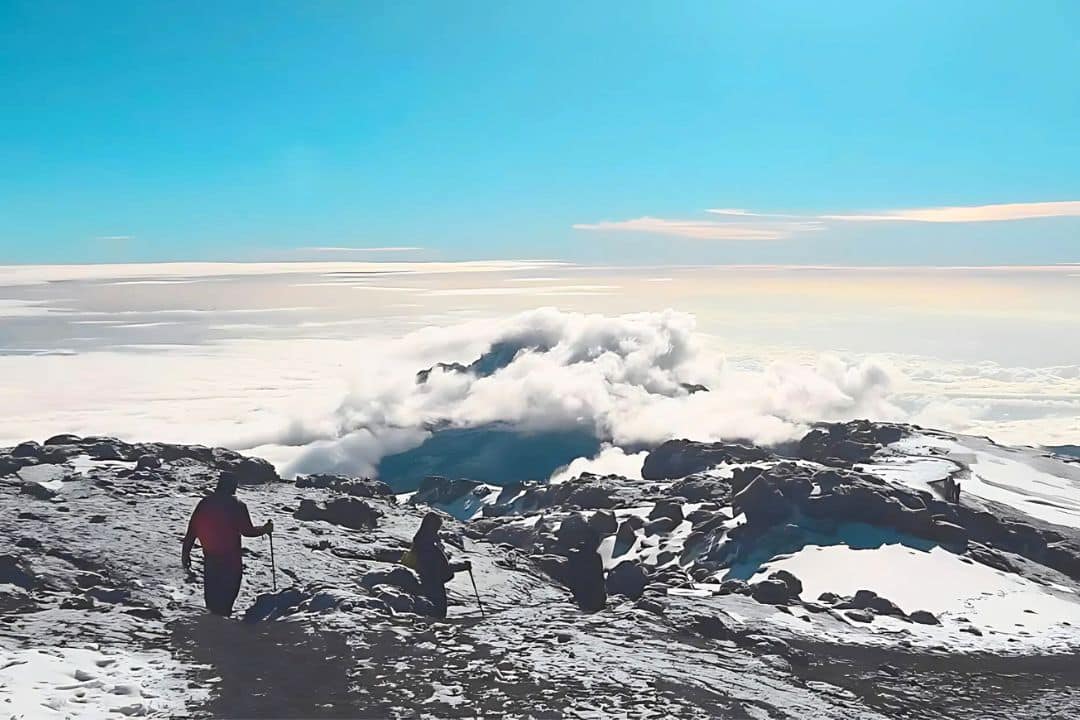
Marangu Route – A Classic Trek with Mountain Hut Accommodation
The Marangu Route, sometimes called the “Coca-Cola Route”, is one of Kilimanjaro’s most established climbing routes and is very popular among climbers.
Unlike the camping routes, Marangu offers accommodation in shared mountain huts, making it an appealing choice for travellers who prefer sleeping indoors during their trek.
Although the trail is generally considered less steep than some alternatives, reaching the summit remains a serious physical challenge. Shorter itineraries provide limited acclimatization time, so choosing the appropriate duration is especially important.
How to Prepare for Climbing Kilimanjaro
Preparing for Kilimanjaro should ideally begin several months before your departure. You don’t need to be a professional athlete, but good physical conditioning and practical preparation will make the experience more enjoyable.
From training and clothing to nutrition and mountain safety, a few important considerations can help you feel more confident before setting off.
Training and Physical Endurance
Start preparing around 8–12 weeks before your climb, or earlier if needed. Regular hiking, stair climbing and cardiovascular exercise can help improve stamina. Include longer walks on uneven terrain and practise carrying a daypack to prepare for consecutive trekking days.
Clothing and Trekking Equipment
Kilimanjaro’s changing climate makes layered clothing essential. Bring thermal base layers, insulating jackets, waterproof outerwear and broken-in hiking boots. A warm sleeping bag, headlamp and trekking poles are also important items for most itineraries. Read our complete Kilimanjaro packing list.
Hydration and Nutrition
Long trekking days require sufficient food and fluids to maintain your energy. Drink regularly according to your needs and your guide’s advice, eat balanced meals and bring familiar snacks for extra energy. Avoid excessive alcohol and remember that hydration alone cannot prevent altitude sickness.
Health and Mountain Safety
High altitude, freezing temperatures and physical exhaustion can present challenges even for experienced hikers. Learn to recognise altitude sickness symptoms, follow your guide’s instructions and never ignore worsening symptoms. Severe altitude illness requires urgent descent and medical attention. Discover more in our Kilimanjaro safety guide.
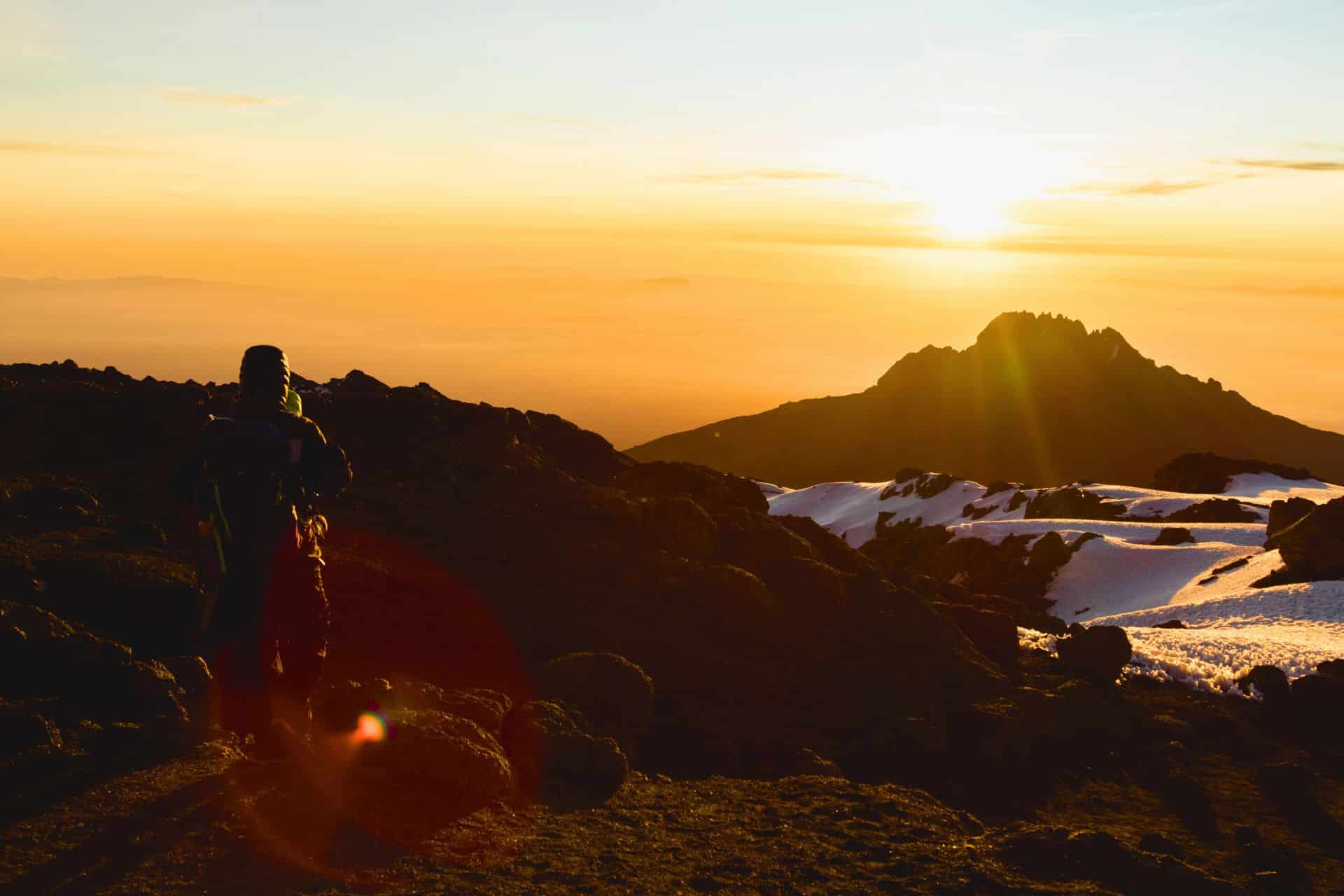

What to Expect During Your Kilimanjaro Climb
Every day on Kilimanjaro brings new landscapes, experiences and challenges. Most trekking days begin with breakfast at camp before setting off with your mountain guides, walking at a comfortable pace and stopping regularly to rest and enjoy the scenery.
As you ascend, the surroundings change from tropical rainforest to alpine desert and eventually the rocky, freezing conditions near the summit.
One of the most memorable and demanding parts of the adventure is summit night. On most standard itineraries, the final ascent begins late at night, with climbers making their way towards Uhuru Peak under the stars.
The cold, altitude and physical effort can make this a difficult experience, but witnessing the sunrise above Africa’s highest mountain is a moment many travellers remember for the rest of their lives.
Want to Learn More About Climbing Kilimanjaro?
Preparing for Kilimanjaro is an adventure in itself. Whether you want to understand mountain safety, make sure you’ve packed everything you need, or discover useful tips before your trek, our in-depth guides will help you take the next step with confidence.

Essential Tips For Climbing Kilimanjaro Safely
Discover the main risks of climbing Kilimanjaro, how to recognize altitude sickness and what you can do to stay safe on the mountain.

The Ultimate Kilimanjaro Packing List
From hiking boots to essential summit gear, find out exactly what to bring for a comfortable and well-prepared Kilimanjaro adventure.

12 Things to Know Before You Climb Kilimanjaro
Get practical advice on routes, altitude, costs and other important things every traveller should know before taking on Kilimanjaro.
Why Climb Kilimanjaro with World Adventure Tours?
Climbing Kilimanjaro is a remarkable journey, and having the right people supporting you can make all the difference.
World Adventure Tours is a family-run travel company based in Sweden, working closely with trusted local travel partners who know Kilimanjaro and its unique challenges firsthand.
Our approach combines authentic local expertise with personalised travel planning, helping you find a climbing experience that matches your goals, preferences and experience.
From choosing the right route to understanding what to pack and how to prepare, we aim to make planning your adventure as straightforward and enjoyable as possible.
Whether you’re travelling solo, with friends or as part of a group, our Kilimanjaro adventures offer opportunities to explore the mountain with experienced local guides and support teams.
Your journey doesn’t have to end at the summit either. Many travellers choose to combine their Kilimanjaro climb with an unforgettable African safari or a relaxing beach getaway in Zanzibar.
Ready to experience the Roof of Africa for yourself?

Frequently Asked Questions About Climbing Kilimanjaro
Can a Beginner Climb Kilimanjaro?
Yes. Kilimanjaro is a non-technical trek on its standard routes, meaning previous mountaineering experience is not required. However, physical preparation, appropriate acclimatization and experienced guides are essential for managing the challenges of high altitude.
How Long Does It Take to Climb Kilimanjaro?
Most standard Kilimanjaro trekking itineraries take approximately 5–10 days on the mountain, depending on the chosen route. Longer itineraries generally allow more time for acclimatization, which can improve the chances of reaching the summit safely.
How Difficult Is Climbing Kilimanjaro?
Kilimanjaro is physically demanding because of its altitude, long trekking days and changing weather conditions. Although technical climbing skills are generally unnecessary, good endurance, mental preparation and a gradual ascent are important.
What Is the Best Kilimanjaro Route for Beginners?
Lemosho is often recommended for beginners because longer itineraries offer good opportunities for acclimatization and varied scenery. The Northern Circuit is another option for travellers looking for a longer, more gradual adventure.
What Should I Pack for Climbing Kilimanjaro?
Essential equipment includes layered clothing, an insulated jacket, waterproof hiking boots, a suitable sleeping bag, headlamp, trekking poles and sun protection. Packing for both warm and freezing conditions is important.
Do You Need a Guide to Climb Kilimanjaro?
Yes. Kilimanjaro National Park requires climbers to be accompanied by registered guides. Experienced local mountain teams provide assistance with navigation, logistics, mountain safety and daily trekking routines.


Why Book with WAT?
Customize Your Trip
Tailor every inch of your journey to suit your preferences, from destinations to accommodations, ensuring a personalized dream-come-true travel experience.
Best Price Guarantee
Competitive pricing with the assurance that you are receiving the best value for your travel investment. We match or beat any verified quote.
Flight Booking Assistance
Our agents simplify your travel planning by finding the best domestic and international flights for your travel plan, taking the hassle out of booking.
Multilingual Guides
Enjoy authentic experiences with guides who speak English, French, Spanish and German – ensuring clear communication and enriched explorations.
GSTC Member
As a GSTC Member we are committed to internationally recognized standards for sustainable tourism. Travel with a clear conscience knowing that you're choosing a responsible agency, committed to sustainable and ethical tourism practices.
Travel Guarantee
Travel Guarantee with Swedish Kammarkollegiet provides financial protection for your trip.