
The Best Time to Visit Serengeti
Discover the Best Time to Visit the Serengeti for Optimal Enjoyment
If you’re planning a safari in Tanzania soon and are trying to figure out the best time to visit the Serengeti, understanding how the seasons influence wildlife activity can enhance your experience. This African national park is a year-round spectacle, but your visit may affect wildlife sightings, river crossings, and crowd levels.
Whether you want to witness the Great Migration’s dramatic river crossings in August or prefer a quieter safari in the shoulder seasons, this guide will tell you everything you need to know about the best time to go to Serengeti National Park.
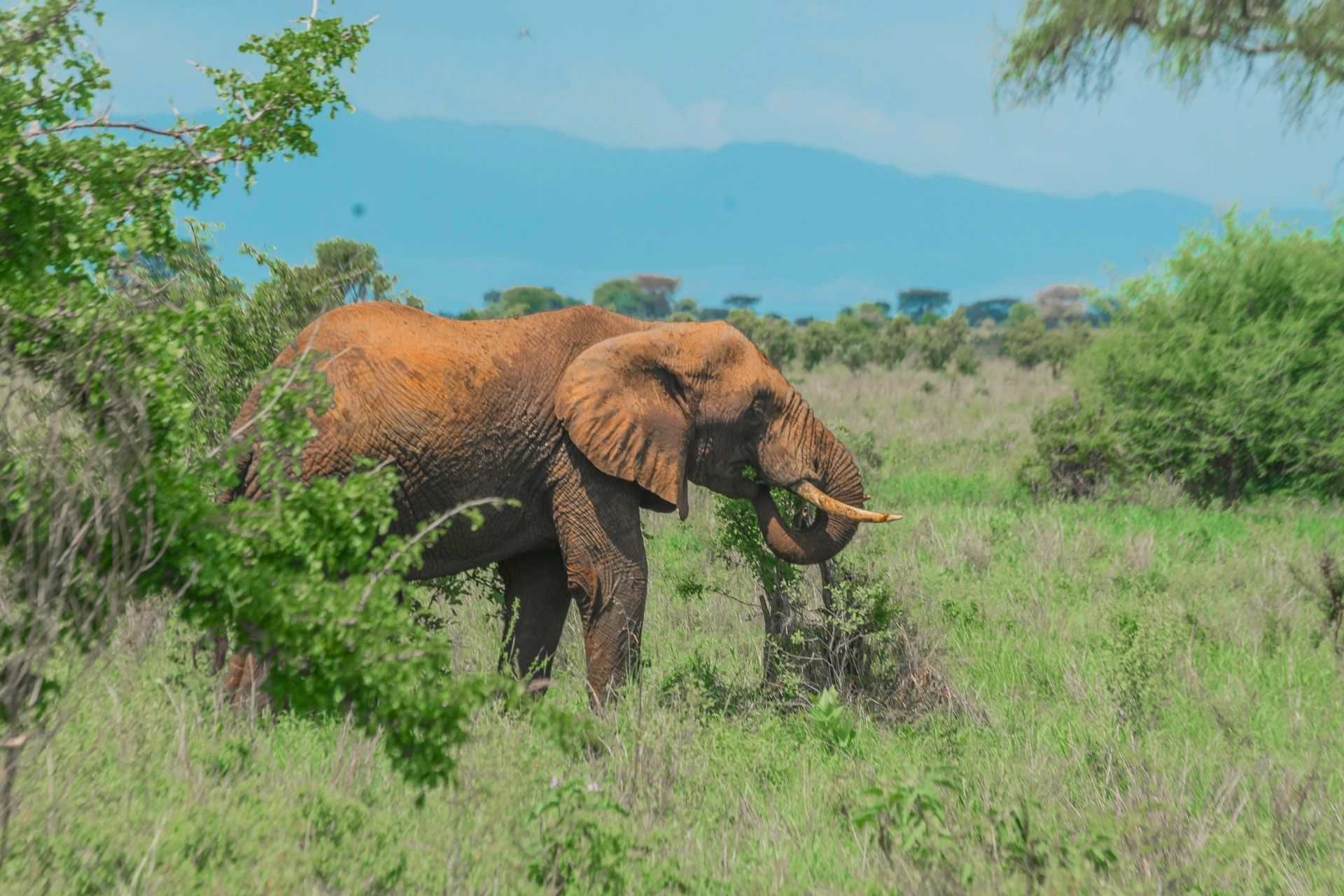
An African elephant moving through the lush savanna in Tanzania
Exploring Different Seasons to Decide the Best Time to Visit Serengeti
Dry season – June-October
Many safari specialists consider the dry season the best time to visit the Serengeti.
During these months:
- Vegetation is scarce,
- Wildlife can be easily found around rivers and ponds.
- The Great Migration’s legendary river crossing typically happens in August and September in the northern Serengeti and across the Mara River.
- Skies are open, there are fewer mosquitoes, and the general safari conditions are favorable.
However, because it is the busiest season, prices are higher, and well-known locations may be crowded.
Short Dry/Calving Season – January to February
Another good safari window, January to February, is usually promoted as the best time to visit Serengeti National Park for the southern plains and the calving season.
- The southern Serengeti and the Ndutu area turn into a crèche for wildebeest calves.
- The predator action gets real as lions and other carnivores feast on the little ones.
- It sees fewer crowds than the mid-year peak.
Wet Season and Shoulder Periods
The plains begin turning green with the arrival of the wet season. From November through December and especially from March through May, the plains are covered with various moods.
- The rain further softens the drives and makes them atmospheric, but wildlife hides in denser vegetation.
- Camping and lodging are generally more affordable, making this a good, budget-savvy time to visit.
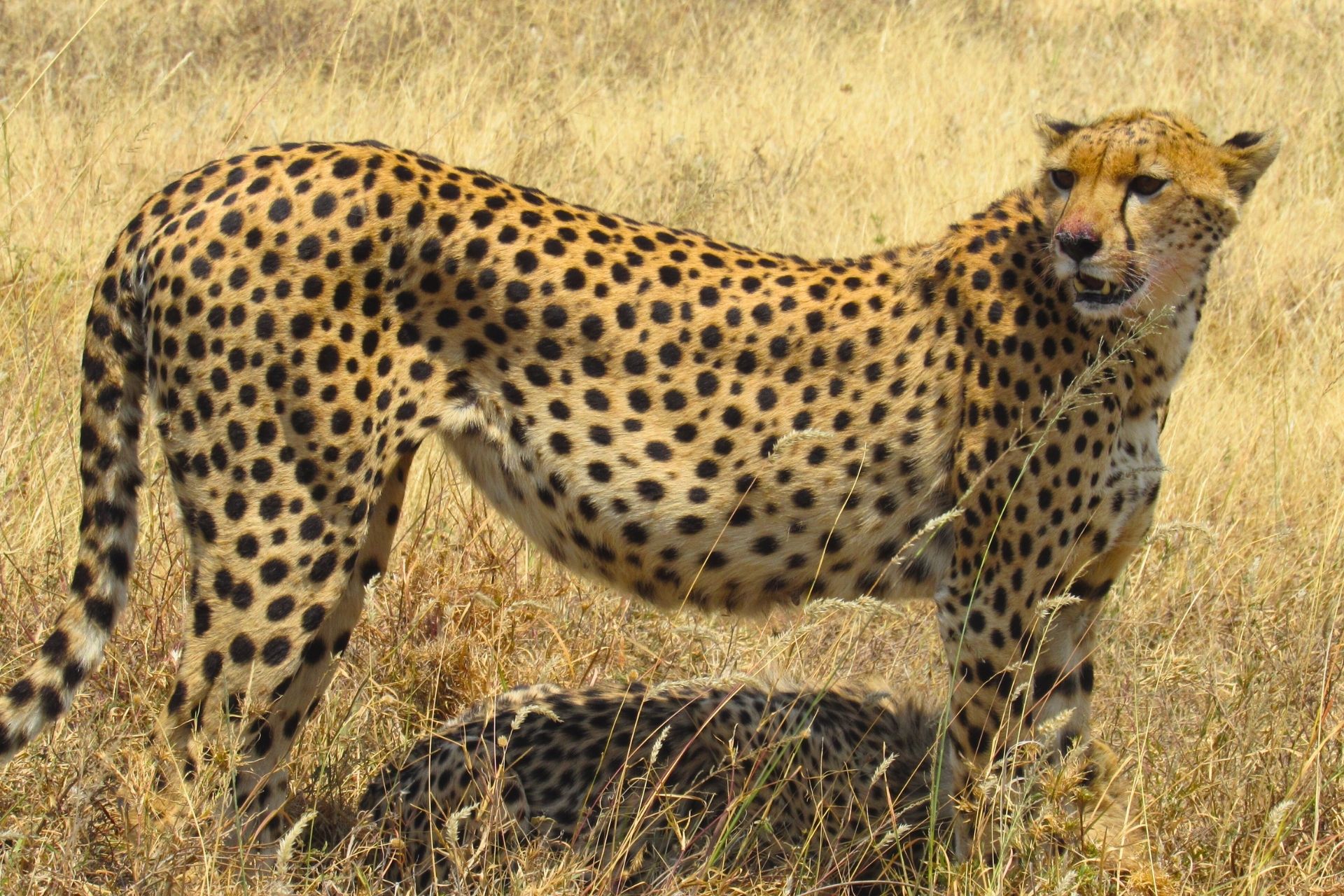
How to Choose the Best Hours of the Day for Your Perfect Trip?
The best time to visit Serengeti, Tanzania, depends on your safari goals:
- Wildlife Migration: Stopping only at the Great Migration or the river crossing means heading north from July to September.
- Calving Season: If you like calving and predator interaction, head south from January to February.
- Easy on Wallet: Budget-friendly options are March–May or November, when you can enjoy fewer crowds and friendlier rates.
- Photography Purpose: For the best photography, enjoying lush green plains after the rain, offering vibrant scenes, is a suitable choice. However, wildlife is more difficult to spot.
- Convenience: If you want to find the most comfortable and convenient period, the time from June to October will be your best time to visit the Serengeti National Park
- They are the driest, with easier travel, less mud, and better visibility.
Therefore, the best time to visit Serengeti National Park depends on what you want to see, how much rain or people you can handle, and your budget, giving you control over your experience.
Why is Right Timing So Important?
Choosing the best time to visit the Serengeti involves trade-offs.
- During the dry months, the animals are easy to see and congregate near the water, maximizing your game drive experience. At the same time, you have to deal with more visitors and higher prices.
- In contrast, the rainy or shoulder seasons will have fewer tourists, and the fun may require more effort. You don’t have to sacrifice the experience.
Whether you are taking the family, looking for luxury, or planning to stay on a budget, make your decision based on the factors above.
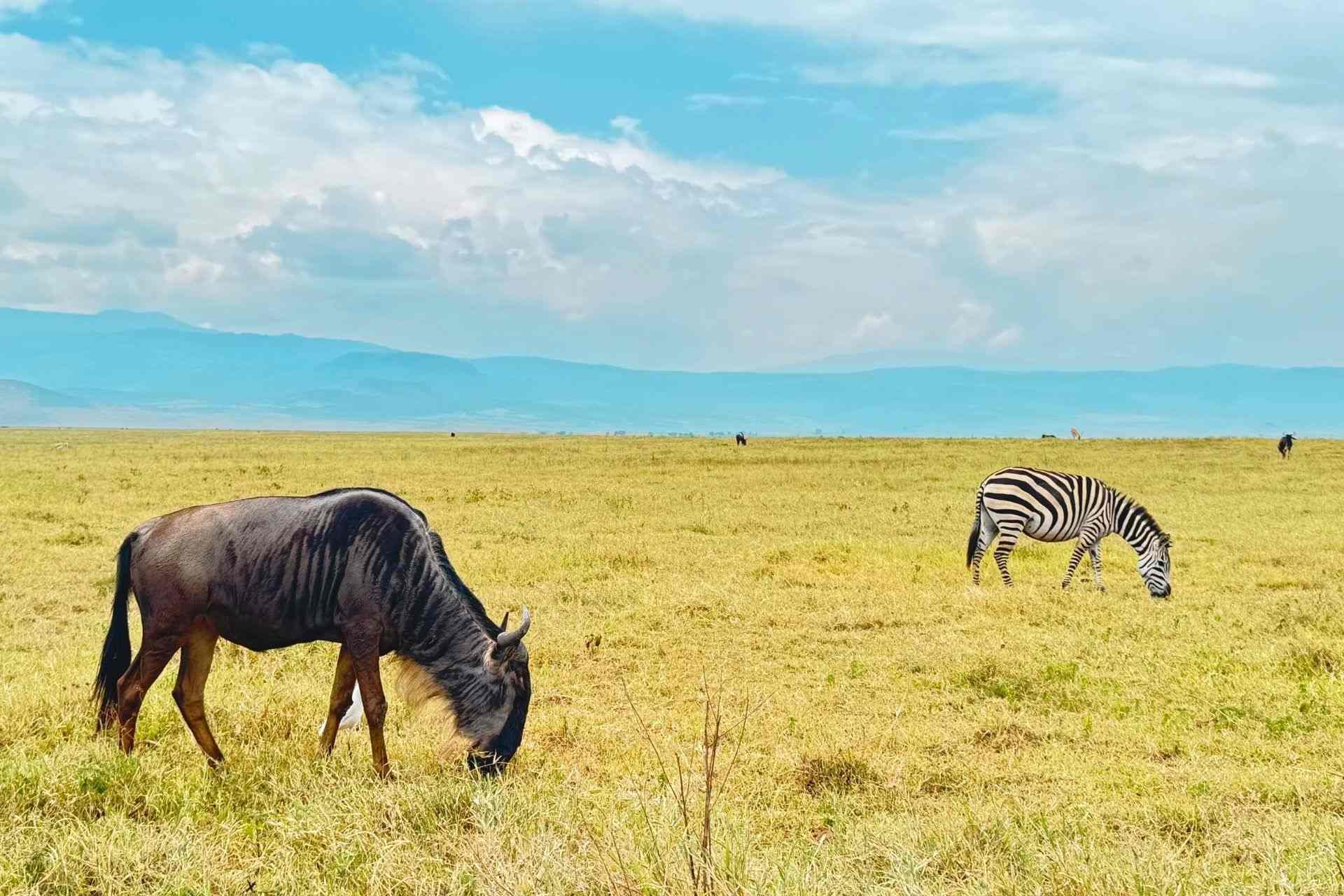
Planning Your Serengeti Safari
Q. How many days do you need in Serengeti?
Enjoying your visit to Serengeti to the maximum requires at least a day and three nights’ stay. This period is sufficient for you to explore in every direction. If you can extend your visit, your experience will be even better.
Q. Is the best time to visit Serengeti the same as the best time to visit Tanzania overall?
While Tanzania’s dry season (June to October) is generally best, the Serengeti has additional nuances: for example, January-February is ideal for the southern Serengeti’s calving season, which may differ from other parks.
Additional Tips for Planning Your Serengeti Visit:
- Southern Serengeti: From December to March, this area is lush and full of life. It’s where the Great Migration’s calving season takes place — The lush southern Serengeti plays host to over half a million wildebeest being born within weeks. Expect predator action and dramatic wildlife photography opportunities.
- Central Serengeti: This region offers reliable game viewing year-round, even outside migration months. Its permanent water sources attract big cats, elephants, and giraffes, making this region more convenient for first-time safari travelers.
- Western Corridor: May – July sees the slow-moving yet thrilling Grumeti River crossings; the area offers a relatively quiet alternative to the northern crossings.
- Northern Serengeti: July and October offer the Mara River crossings, the most dramatic stage of the annual movement of over two million wildebeest and zebras.
Insider Safari Tips
- Book early if you’re traveling in peak months (June–October) – lodges fill up months in advance, ensuring peace of mind for first-time visitors.
- Choose guided safaris with reputable operators; they follow the migration and receive reports on daily wildlife movements.
- Consider combining your Serengeti visit with trips to nearby destinations, such as the Ngorongoro Crater, Lake Manyara, or even Zanzibar, for some sea-and-sand therapy after your safari.
- Get travel insurance and get vaccinated, in fact, some visitors arriving from certain countries must show proof of yellow fever vaccination.
- Pack layers – mornings can be chilly even during the warmer months, while the sun at midday is hot.
No Serengeti season is a wasted time, understanding its rhythms allows you to plan a safari that suits your goals, budget, and sense of adventure.
Finding Your Perfect Safari Window
Deciding on the best time to visit the Serengeti comes down to balancing wildlife experiences, weather, crowd levels, and budget. Whether you’re drawn to the dramatic river crossings, the calving season in the south, or a quieter safari during the shoulder months, each period offers something unique. With the right timing and a bit of planning, the Serengeti delivers the kind of wildlife encounters that stay with you long after you return home.